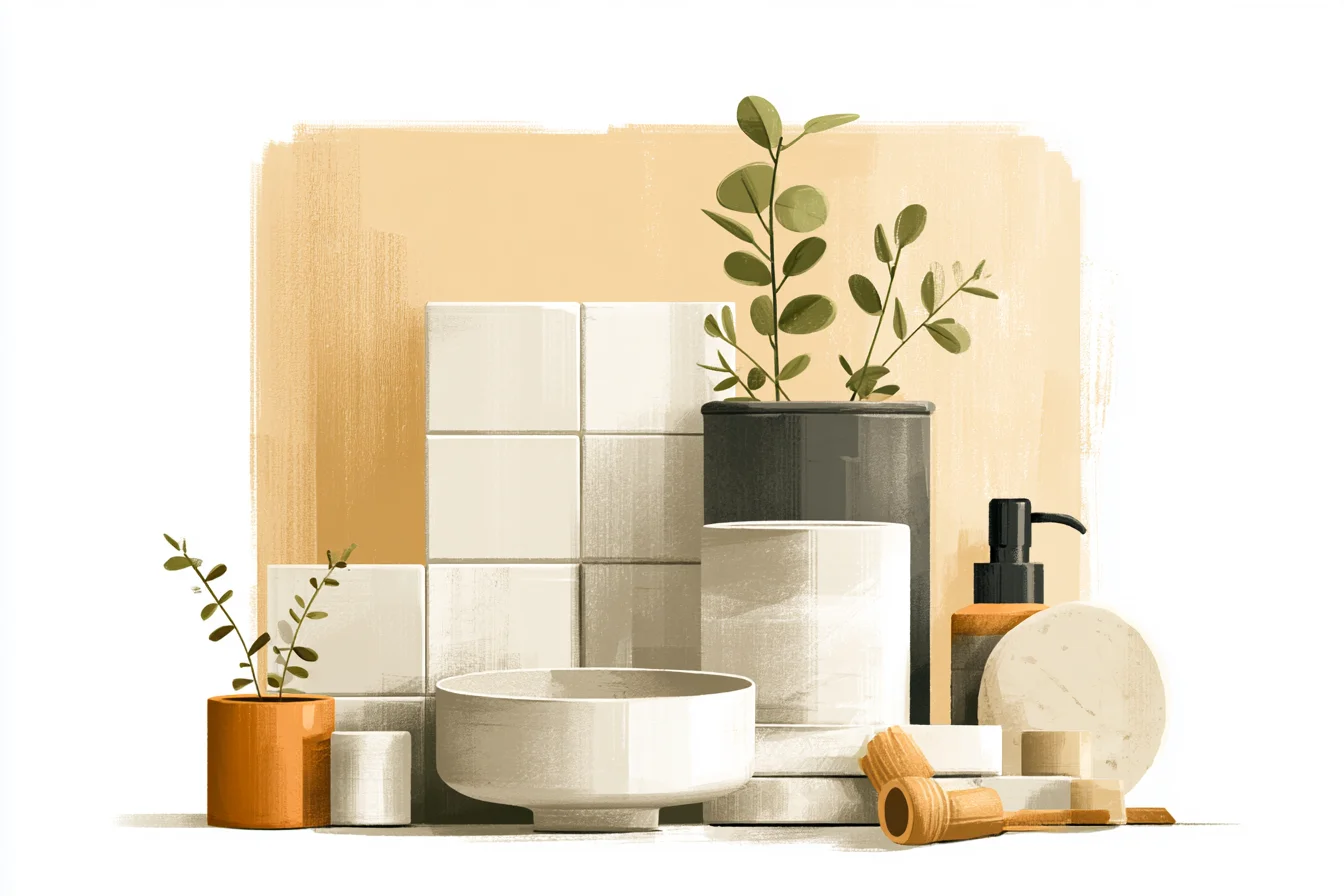
Walking into my friend Sarah’s powder room for the first time was like taking a nasal inhalation of Clorox. Not because it was dirty—but because it was covered in huge tiles. Inset with giant 12-inch marble squares, floor-to-ceiling, the already small room had the overwhelming feel of being trapped inside a jewelry box.
Pretty? Absolutely. Livable?
Not really. From that moment on, I became obsessed with how large tile can eat up your space—and especially how small bathrooms need small tiles (NOT!).
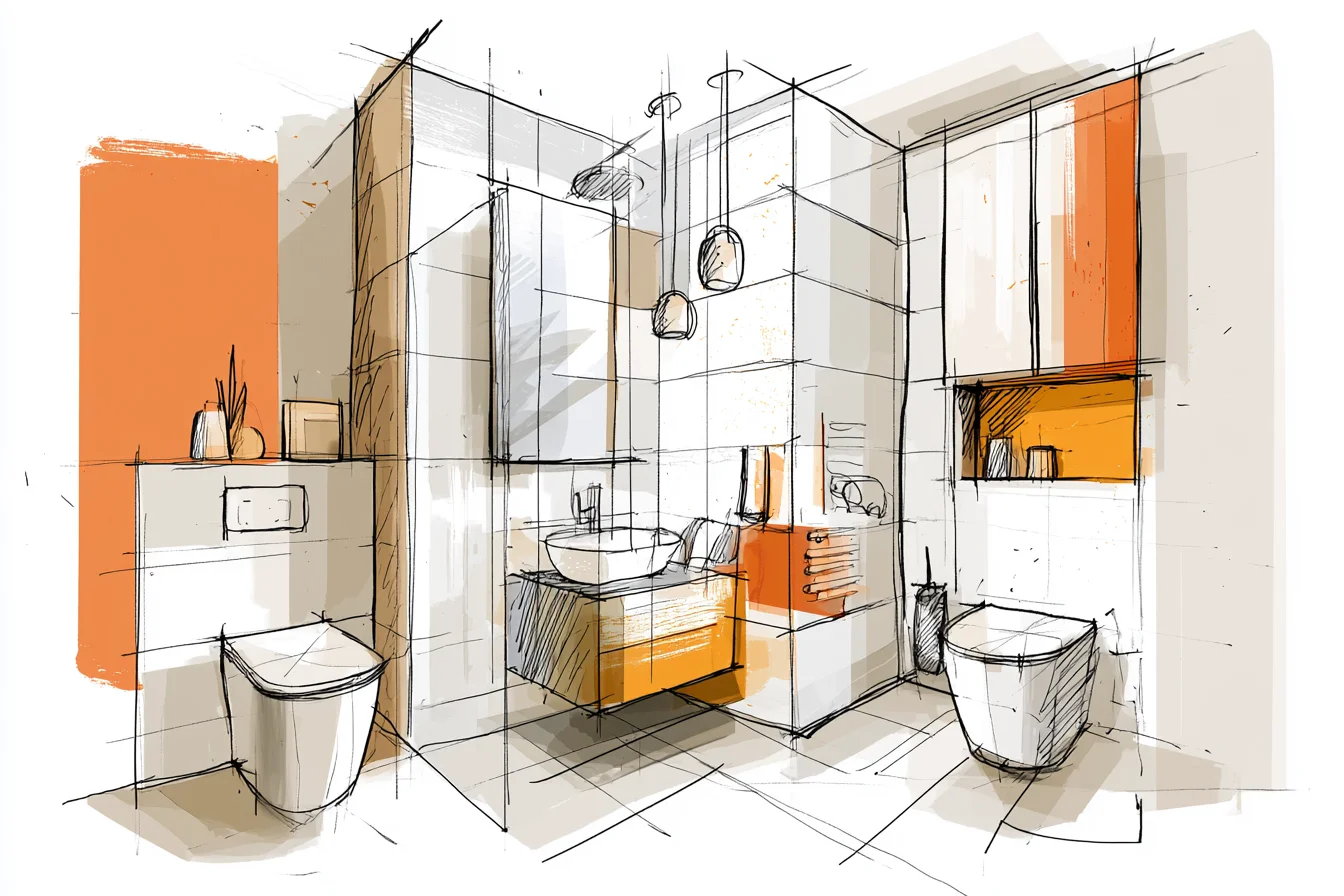
I’ve since renovated three bathrooms myself (one extremely tiny and two small-ish), and given tile advice to way too many friends.
The lessons I learned have been painful, surprising, and amazing. Consider this bathroom my cautionary tale: it’s approximately four feet by six feet. Not something I brag about when people ask how big my powder room is, but it’s in-service so they’ll just have to deal with it.
When I moved into my home two years ago, it was covered in tiny, dingy beige 4-inch ceramic squares. Short on funds and style, I blamed the size on my desire to cover up what was there and not spend much money doing it. But once they were installed I couldn’t stop thinking about … big tiles.
Determined to make a change, I headed to my local tile shop and selected the largest tile I could find (8-inch hexagonal marble in a pale sage color). MY GREATEST TILING REGRET. They were pretty.
They were large. They were also wrong. Three months in and I hated how they looked.
Like I wasn’t sure if they were still staring at me, but they definitely mocked me every time I walked into the room. The floor felt too heavy with large tile, and plus—ugh—guests would compliment me on how “bold” I was to cover my bathroom floor in sage. Nice.
Anyway, I ripped them out. It cost me a pretty penny, and I wanted to quit design for about two weeks. Attempt number two was much better.
Again utilizing my favorite subway tile shape (3-inch by 6-inch), but keeping them in a traditional brick pattern. The difference was night and day. Finally, my tiny bathroom had bathroom-scale tiles!
Are you ready for my comprehensive guide to small bathroom tiles? Let’s do this. Small spaces beg for small tiles—it’s a rule of design that never fails.
You Might Also Like
I’d recommend scaling up to 3-inch tiles for super-small spaces like half baths and powder rooms. Your bathroom will feel lighter and more cohesive. You’ve seen them in pictures above and I’ll mention them again later, but penny tiles are an excellent choice for very small bathrooms.
The small pops of color add texture and interest without getting too wild. Stick with multiple shades of the same color or neutral for the most pulled-together look. If your bathroom falls into the medium-small range (say 30-50 square feet) you can get away with larger tiles like my beloved 3-inch subway or 4-inch squares.
You can even do rectangular “slim” shapes as long as the dimensions aren’t too crazy (sadly, no one wants to hear me rant about my curb-cutting neighbor). Here’s a trick I learned when using longer or rectangular tiles in small spaces: lay them horizontally to increase the width of your room. My friend Maria did this with 2×8 inch plank tiles in her skinny bathroom and it really opened up the space.
If your tiles are simple and not too busy (think subway tile or large format squares), you can have some fun with pattern. There are a million different options for laying tile, which I’ll get into below. But if you’re trying to decide on size versus pattern, go with size in a small bathroom.
Stick to classic straight lay, brick/subway pattern, or even simple diagonal. You’ll still create visual interest on your walls without distracting from other details like your shower curtains, towels, or baskets full of toiletries. White or very light-colored tile is always a safe bet for small rooms.
Light colors=more reflection which makes your space feel larger and airy. But that doesn’t mean you should reach for stark white tiles. Small bathrooms can go from chic to sterile quicker than you think.
If you love white tile, add some color to your shower curtains or towels. Or use off-white tiles with hints of gray for a soft, warm look that feels inviting instead of unwelcoming. I’m a big fan of subway tiles with gray grout in small bathrooms.
They’re classic but not boring, and the color difference between the tiles and grout keeps the wall from looking flat.
Be careful with grout colors: bright white grout will highlight any dirt or mildew you missed during scrubbing (experience talking here) and dark grout can make your tile feel smaller than it is. As far as cleaning goes, smaller tiles equal more grout lines which equals more scrubbing for you.
Don’t say I didn’t warn you. Another pro tip: smaller tiles are more slippery when wet. They also have more grout lines which can become tiny trip hazards when showering.
Save the itty-bitty pieces for your backsplash and go larger on your floor. No one likes to think about mold and mildew buildup when picking out shiny new tiles, but it’s important to consider highly absorbent materials like marble or natural stone for small bathrooms. If you love them, go for it—but know that you may be showering with a scientist every time you rinse off.
You’ve got this! Just remember the rule of small bathrooms: small tiles. Stay away from anything over 6 inches for flooring and ceilings (you’ll never see the ceiling tiles anyway) and your small bathroom will shine. (Photo via Serena and Lily.) Written by Emma De MatteoWant more ideas for your small bathroom?
Check out our favorite smart storage ideas, styling tricks, and seriously cute small bathrooms for inspiration.